Stocked Shelves Don't Equal Profit: The Hidden Cash Drain in Med Spa Inventory Management
Full shelves don't mean profit. Learn how med spa inventory management traps cash and how one owner released $25,000 without selling more.

Most med spa owners believe full shelves signal a healthy, prepared business. Walk into any treatment room and you will see the evidence: neatly arranged skincare products, backup vials of neurotoxin, filler syringes organized by brand, device consumables stacked in cabinets. It looks like growth. It feels like readiness. But what if those stocked shelves are not a sign of strength? What if they are the single largest overlooked drain on your practice's cash flow? This is the hidden reality of med spa inventory management: the inventory you believe protects your business may be the very thing creating the cash pressure you feel every month. One med spa owner discovered $90,000 sitting on the shelves and believed the inventory was well managed. A deeper review told a different story, and the $25,000 released from that review changed how the practice operated. This article will show you how to estimate how much cash may be trapped on your shelves and how to release it without reducing revenue or patient care quality.
Table of Contents
1. Most Med Spas Don't Have an Inventory Problem
Walk through the industry and you will hear owners talk about inventory in one way: as a shortage risk. The fear is running out. Running out of the filler a top injector prefers. Running out of the neurotoxin brand patients request by name. Running out of the retail product that generates consistent reorder revenue. So they buy. They buy extra units to avoid the stockout conversation. They buy the promotional bundle the vendor rep offered. They buy the new product line because it might be the next big thing. And then they buy a little more, just to be safe.
The fear is understandable. A stockout during a busy treatment day is frustrating. It disrupts the schedule, disappoints patients, and can feel like a direct threat to revenue. But here is what most owners miss: the real threat is not running out of product. The real threat is running out of cash because product is not moving.

Inventory is not merely an operational asset. It is a cash flow asset, and when it sits, it drains working capital silently. The med spa in our opening example carried $90,000 in inventory. The owner believed the practice was well stocked and prepared. What the review revealed was not a shortage problem. It was a purchasing discipline problem hiding in plain sight. The shelves were full, but cash was tight, and nobody had connected those two facts.
This article reframes med spa inventory management from an operational topic into a cash flow and profitability topic. The goal is not to maximize inventory availability. The goal is to maximize cash flow while maintaining operational readiness. That is what disciplined med spa inventory control actually means: not fewer products, but faster cash conversion. The distinction matters more than most owners realize.
2. The $90,000 Inventory Review
The owner sat down with a straightforward belief: inventory was under control. Orders were placed when products ran low. Vendor relationships were strong. The treatment rooms were stocked. From the outside, nothing looked broken.
Then the review began. The first thing that surfaced was slow-moving filler SKUs. Several hyaluronic acid filler brands had been purchased in bulk twelve months earlier to secure a volume discount. The discount looked attractive on the purchase order, but usage data told a different story. Two of the brands were rarely used. Injectors had preferences, and those preferences did not align with what had been purchased. The discount that looked good on paper never materialized in practice because the product never moved.
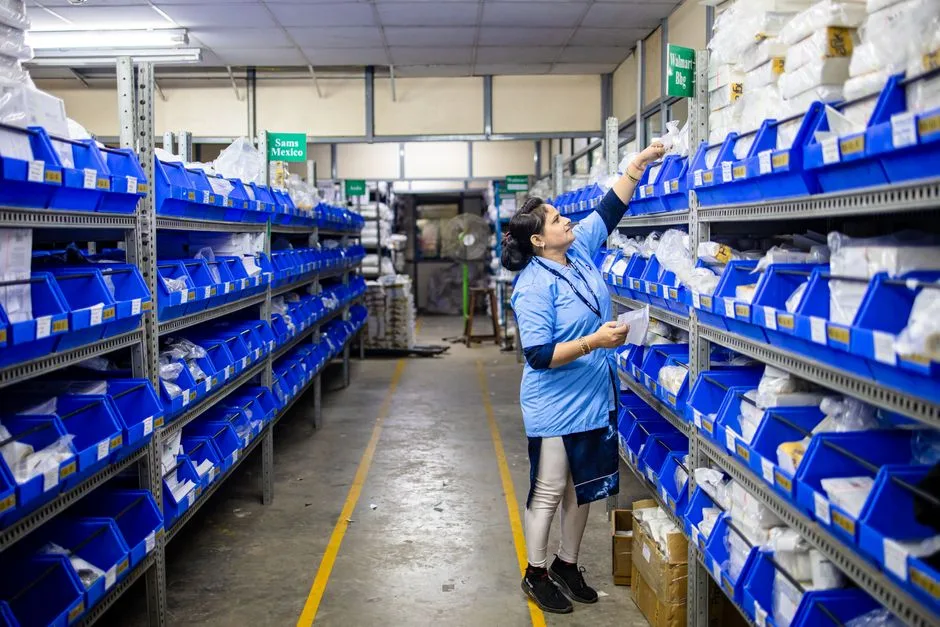
Next came the duplicate products. The practice had three people authorized to place orders: the owner, the lead injector, and the front desk manager. Without a centralized purchasing log, the same neurotoxin was sometimes ordered from two different vendors within the same month. One vendor offered a loyalty program. The other offered faster shipping. Both were used, and neither order was coordinated with the other.
Then the seasonal retail products appeared. A holiday gift set promotion had been planned eighteen months earlier. The promotion ran, sold moderately well, and the remaining inventory was moved to a storage cabinet and forgotten. Eight months later, those gift sets were still there, untouched, past their seasonal relevance, tying up cash that could have funded something useful.
Finally, the physical count uncovered expiring consumables. Device tips, treatment pads, and single-use components purchased in bulk were approaching expiration. Some had already expired. The cost of those items was not large individually, but collectively they represented hundreds of dollars in pure loss.
The review revealed $90,000 in total inventory. After implementing purchasing controls, that number dropped to $65,000. The $25,000 difference was not created by selling more. It was released by identifying what should never have been purchased in the first place. Understanding where cash is trapped starts with understanding your P&L, and the med spa profit and loss statement breakdown reveals exactly where inventory decisions impact the bottom line.
3. Why the $25,000 Matters
The headline number is easy to miss. Twenty-five thousand dollars released from inventory sounds like an accounting adjustment, a line item that moved from one column to another. But the point is not that inventory dropped from $90,000 to $65,000. The point is what happened after the cash was released.
The owner faced a slow month three months after the inventory review. Patient volume dipped, as it sometimes does in med spa businesses with seasonal fluctuations. In previous years, that slow month would have triggered payroll anxiety. This time, the owner had $25,000 in recovered working capital sitting in the operating account. Payroll was covered without stress, without a line of credit, and without the owner deferring their own compensation.
A portion of the released cash was directed toward a targeted marketing campaign. The campaign generated a 4x return within sixty days, revenue that would have been impossible to capture if the cash had remained trapped on the shelves. Another portion went toward reducing a high-interest equipment loan. The interest savings compounded monthly, quietly improving practice profitability without a single additional patient walking through the door.
The owner also took a distribution. It had been eighteen months since the last one. The practice was generating revenue, but cash always seemed tight, and the owner had convinced themselves that reinvesting everything was the responsible move. The inventory review revealed that the cash had been there all along. It was just sitting on shelves instead of sitting in the bank.
The inventory reduction did not create cash. It revealed cash that was already trapped inside the business. That distinction is the entire point of disciplined med spa inventory management.
4. Inventory Is Not an Asset Until It Converts Back Into Cash
Owners often point to inventory and say: "We have $90,000 of inventory." They say it as if it is cash. It is not.
Inventory only becomes valuable when it converts into revenue and then back into cash. Until that happens, inventory is simply cash wearing a different costume. The med spa owner in our case study did not have $90,000 of usable resources. They had $65,000 of necessary inventory and $25,000 of trapped working capital. The distinction matters because every dollar classified as inventory on the balance sheet is a dollar that cannot fund payroll, marketing, debt reduction, or an owner distribution until it moves.
This is the mental shift most medical spa inventory management advice skips entirely. Consultants talk about par levels, expiration dates, and reorder points. CFOs talk about cash conversion. A vial of neurotoxin sitting in a refrigerator is not an asset in any meaningful financial sense until a patient pays for the treatment that uses it. Until then, it is frozen capital. The same is true of filler syringes, retail skincare, and device consumables. The faster inventory converts back into cash, the healthier the practice. The slower it sits, the more cash flow pressure builds, regardless of how organized the shelves look.
If your med spa inventory tracking shows $80,000 on hand but your operating account cannot cover next month's payroll without stress, you do not have an inventory problem. You have a cash conversion problem disguised as preparedness.
5. The $25,000 Sitting on Your Shelves Right Now
If excess inventory accumulated because owners were careless, the solution would be simple. But most excess inventory accumulates despite good intentions. The owner in our case study was not negligent. They were responding to the same pressures every med spa owner faces.
Fear of stockouts is the most powerful driver. No owner wants to tell a patient the product they need is unavailable. So they buy a little extra. Then a little more. Over time, the buffer grows beyond what patient demand actually requires, and the cash tied up in that buffer earns zero return.
Vendor promotions create artificial urgency. The neurotoxin manufacturer offers a discount if you order before the end of the quarter. The skincare line throws in free samples with a minimum purchase. These offers feel like savings, but they only save money if the product is used before it expires. When product sits, the discount is not a discount. It is a prepayment for something that may never generate revenue.
Bulk purchasing discounts follow the same logic. Buying twelve units instead of six reduces the per-unit cost, but only if all twelve units are used. If four units expire or sit for eighteen months, the effective per-unit cost on the units actually used is higher than if the practice had paid full price for exactly what it needed.
Lack of formal reorder points turns purchasing into guesswork. When ordering is based on feeling rather than data, the natural tendency is to over-order. It feels safer. Nobody gets in trouble for having too much product. They only get in trouble for running out.
Multiple people placing orders without a single accountable owner compounds every other problem. When three people can order, nobody sees the full picture. Duplicate orders happen. Excess accumulates. And when the physical count finally happens, nobody can explain why certain products were purchased. A med spa inventory system without a single owner of purchasing decisions is a system designed to trap cash.
Emotional purchasing decisions tied to new product launches add the final layer. A vendor introduces a new filler. The marketing materials are compelling. The before-and-after photos are impressive. The owner orders it, excited to offer something new. Six months later, the product has been used twice, and the remaining inventory sits.
Inventory problems rarely start with bad intentions. They start with small decisions repeated over months and years. The $25,000 figure from our case study is conservative. Practices carrying $200K+ in annual injectable volume often discover $40,000 to $80,000 of trapped cash in the same diagnostic.
6. Bad Inventory Management Symptoms: Six Warning Signs
Most owners do not need a consultant to tell them inventory is a problem. They need a framework to recognize what they are already seeing. These six symptoms allow any owner to self-diagnose in real time.
Symptom 1: Shelves Are Full but Cash Feels Tight
This is the most common paradox in med spa operations. The treatment rooms are stocked. The retail display looks abundant. The supply cabinet is organized. And yet, when payroll hits or a vendor invoice comes due, cash feels scarce. If inventory is growing faster than revenue, the practice is converting cash into shelf stock. The shelves look healthy. The bank account tells a different story.
Symptom 2: Vendor Reps Visit More Often Than Inventory Is Reviewed
Vendor relationships are valuable, but they should not drive the purchasing cadence. If the practice reviews inventory once per quarter but vendor reps visit monthly, purchasing decisions are being influenced by external sales cycles rather than internal demand data. Monthly inventory reviews should precede every vendor conversation, not the other way around.
Symptom 3: Expired Products Are Discovered During Counts
Expirations are not accidents. They are evidence of over-purchasing. Every expired product represents a 100 percent loss of cost and a complete loss of the opportunity to deploy that cash elsewhere. If expirations are discovered during physical counts, the purchasing process is ordering more than patient demand can absorb.
Symptom 4: Nobody Can Explain Why Specific SKUs Were Ordered
Walk through the inventory shelf and ask a simple question: why was this product ordered? If the answer is unclear, the purchase was likely unnecessary. Every order should have a documented rationale tied to patient demand, historical usage, or a specific promotional plan with defined success metrics. Orders without a clear why are the first place trapped cash hides.
Symptom 5: Retail Products Sit Longer Than 90 Days
Retail inventory that has not moved in 90 days is not inventory. It is decoration. Slow-moving retail ties up cash that could fund injectable inventory with higher turnover and better margins. If a retail product is not selling, the practice is financing the manufacturer's warehousing costs without earning a return.
Symptom 6: Inventory Grows While Revenue Remains Flat
This is the most dangerous symptom because it looks like growth. More product on the shelves can feel like expansion. But flat revenue plus growing inventory equals declining working capital efficiency. The practice is investing more cash to generate the same revenue, which means profitability is eroding even if the top-line number looks stable.
7. Where Excess Inventory Usually Hides
Excess inventory does not distribute itself evenly across the practice. It concentrates in specific categories, and each category traps cash differently. The question is never "where is the product?" The question is "where did the cash go, and when will it come back?" Knowing where to look makes detection faster and the financial damage easier to quantify.
Neurotoxins
Neurotoxins carry a high cost per unit, a defined shelf life, and strong vendor incentives to over-order. Manufacturers structure loyalty programs and volume discounts that reward larger purchases. The case study practice discovered $12,000 in slow-moving neurotoxin units, purchased to hit a rebate threshold that never materialized because the rebate required usage within a specific timeframe. That is $12,000 of working capital earning zero return while sitting in a refrigerator. Inventory decisions directly impact per-unit profitability on high-margin services like Botox, and every dollar tied up in unused neurotoxin is a dollar that cannot fund the next marketing campaign or injector training.
Fillers
Filler inventory is where brand loyalty and injector preference create SKU bloat, and SKU bloat is cash bloat. A practice with three injectors might carry five different hyaluronic acid filler brands because each injector has a favorite. Each additional SKU requires its own minimum stock level and its own working capital commitment. Five brands at $3,000 minimum stock each is $15,000 of cash locked in preference, not demand. Consolidating filler brands around actual patient volume rather than injector preference releases cash immediately.
Retail Skincare
Retail skincare feels safe because shelf life is typically longer than injectables. That long shelf life creates a false sense of security and a slow cash conversion cycle. Product sits for six to twelve months before generating a return, and during that time, the cash invested earns nothing. Slow turnover in retail is particularly damaging because retail margins are often lower than service margins, meaning the cash takes longer to recover and generates less profit when it does.
Device Consumables
Device consumables are often ordered in bulk to secure discounts, but usage is tied to treatment volume, which can be unpredictable. A laser device might see heavy usage in winter and light usage in summer. If consumables are ordered based on peak volume assumptions, the practice ends up financing idle inventory during slow periods. Every unused tip or pad is cash that left the bank account and has not returned.
Promotional and Seasonal Inventory
Promotional inventory is purchased for a specific campaign, and when the campaign ends, the remaining product is often forgotten. Seasonal products that miss their window become permanent shelf fixtures. Holiday gift sets ordered in October that do not sell by December are unlikely to sell in March, but they sit anyway, tying up cash that could fund the next promotion or cover a slow-season payroll gap.
8. Diagnose Your Inventory in 10 Minutes
Most owners know their bank balance from memory. Few know how much cash is trapped on their shelves. This diagnostic takes ten minutes. You do not need expensive software. You need honest answers to questions that most med spa inventory tracking reports never surface.
The Inventory Cash Conversion Test
Three questions every owner should answer right now.
Question one: If we stopped ordering today, how many days could we operate using only existing inventory? Under 30 days suggests the practice may be understocked, but verify before ordering more. Between 30 and 60 days can be reasonable depending on service mix, vendor lead times, and patient volume. Over 60 days signals trapped cash. The practice is carrying more than two months of supply, which means working capital is sitting idle.
Question two: What percentage of total inventory value has not moved in the last 90 days? As an internal operating trigger, inventory that has not moved in 90 days should be reviewed before more is ordered. If that percentage is climbing month over month, the practice is likely trapping cash in products that are not turning.
Question three: How much cash would be released if total inventory was reduced by 20 percent? Most owners cannot answer this question without running a report. That inability is itself a diagnosis. If the practice does not know how much cash a 20 percent reduction would release, it does not have visibility into its own working capital position.
Three Metrics Every Owner Should Monitor
Inventory Days on Hand measures how long current inventory would last at historical usage rates. Under 30 days generally indicates efficient inventory movement. Between 30 and 60 days deserves attention and regular review. Beyond 60 days often signals trapped cash requiring action. These are practical operating guidelines, not rigid industry benchmarks, and every practice should calibrate based on its specific service mix and patient volume patterns.
Slow-Moving Inventory Percentage tracks the portion of total inventory value that has not moved within 90 days. As an internal operating trigger, any SKU that has not moved in 90 days should be reviewed before reordering. When slow-moving inventory grows month over month, the practice is financing products that are not contributing to revenue.
Inventory as a Percentage of Revenue compares total inventory value to monthly revenue. Growing inventory without proportional revenue growth is an early warning sign of purchasing inefficiency. A practice generating $100,000 per month that routinely carries $40,000, $60,000, or $80,000 of inventory should investigate whether cash is being trapped in slow-moving products, excess SKUs, or purchasing inefficiencies. These three metrics are the foundation of medical spa inventory management that treats working capital as seriously as patient care.
9. How High-Performing Med Spas Control Inventory
The practices that manage inventory well are not running tighter warehouses. They are running faster cash conversion cycles. Med spa inventory control is not about having less product. It is about ensuring every dollar tied up in product returns to the bank account as quickly as possible. The disciplines below are simple. What makes them effective is that each one is designed to release trapped cash, not just organize shelves.
Min/max inventory levels set minimum and maximum quantities for every SKU based on actual usage data, not vendor recommendations. When stock hits the minimum, a reorder is triggered. When stock approaches the maximum, purchasing stops. This single control caps how much cash can sit idle on any given product line.
Reorder points establish automatic triggers that initiate orders only when stock reaches a predetermined threshold. The threshold is calculated from historical usage rates and lead times, not from a vendor's quarterly promotion calendar. Reorder points remove emotion from purchasing decisions and prevent the over-ordering that quietly drains working capital.
Monthly inventory reviews take thirty minutes and focus on three things: slow-moving items, approaching expirations, and purchasing patterns. A thirty-minute monthly review prevents the three-hour crisis that happens when expired product is discovered during a physical count, and it surfaces trapped cash before it compounds into a five-figure problem.
SKU rationalization eliminates products that do not turn within 90 days unless they serve a specific strategic purpose, such as patient retention or a defined treatment protocol. Every SKU the practice carries requires working capital. Fewer SKUs mean less trapped cash and a med spa inventory system that reflects actual demand rather than accumulated purchasing habits.
Inventory ownership assigns one person accountability for the entire inventory process. That person may not place every order, but they approve every order and maintain visibility into total inventory levels. When multiple people can order without centralized oversight, excess accumulates and cash disappears into duplicate purchases nobody can explain.
The goal is not perfect inventory. The goal is disciplined inventory that converts back into cash. Perfection requires predicting patient demand with complete accuracy, which is impossible. Discipline requires following a process that catches cash leaks before they become expensive.
10. The CFO Perspective on Inventory
This is the perspective most med spa content misses entirely. Inventory is not simply product. Inventory is working capital, and working capital is the lifeblood of any business. Every unnecessary dollar sitting on a shelf is a dollar unavailable for something that could grow the practice or reward the owner.
That dollar cannot fund payroll during a seasonal slow period. It cannot fund a marketing campaign with measurable return on investment. It cannot fund expansion into a new location or a new service line. It cannot reduce debt, and debt reduction directly improves practice valuation. It cannot fund an owner distribution, and owner distributions are the reason most owners took the risk of entrepreneurship in the first place.
Great operators optimize availability. They ensure product is on hand when patients need it. That is necessary but not sufficient. Great CFOs optimize availability and cash flow simultaneously. They understand that every inventory decision is a capital allocation decision, and capital allocated to slow-moving product is capital that cannot be allocated to growth.
Inventory efficiency directly affects how much each injector contributes to the bottom line. If an injector insists on carrying a specific filler brand that only they use, and that brand requires $4,000 in minimum stock, the practice is allocating $4,000 of working capital to support one injector's preference. That might be the right decision if the injector generates enough revenue to justify it. But it should be a conscious decision, not an accidental outcome of poor purchasing controls.
Injector hoarding is a real phenomenon. A provider develops a preference for a specific product and orders extra units to ensure they never run out. Those extra units sit in a drawer, unused, while the practice's cash sits trapped. When injectors are not accountable for product usage, compensation structures may need to change. Tying a portion of injector compensation to product utilization rates aligns incentives and reduces the hoarding behavior that traps working capital.
The CFO perspective does not ignore patient care. It recognizes that patient care and capital efficiency are not in conflict. A practice that releases $25,000 in trapped cash can invest in better training, better equipment, and better patient experiences. The cash was always there. It was just in the wrong place.
11. The Best Inventory Strategy
The best inventory is not the most inventory. A fully stocked shelf that traps cash is not an asset. It is a liability dressed as preparedness.
The best inventory is not the cheapest inventory. Bulk discounts and vendor promotions that lead to expirations and slow turnover are not savings. They are prepayments for losses.
The best inventory is not the most vendor-promoted inventory. Vendor reps have their own targets and incentives. Their recommendations may align with your practice's needs, or they may not. The practice, not the vendor, should decide what sits on its shelves.
The best inventory is the inventory that maximizes working capital availability, contribution margin per service, patient experience through product availability, and owner profitability through capital efficiency, while minimizing trapped cash and expiration risk.
Return to the case study. The owner did not improve profitability by increasing sales. Revenue did not change. Patient volume did not change. Treatment quality did not change. What changed was the practice's relationship with its own cash. Twenty-five thousand dollars that had been sitting on shelves moved into the operating account, and from there into payroll coverage, marketing investment, debt reduction, and owner compensation. It was not new revenue. It was trapped working capital, and releasing it required no new patients, no new services, and no new sales.
The owner improved profitability by releasing cash that was already inside the business.
The cash you need is not out there.
It is already on your shelves.
12. How Much Cash Is Sitting on Your Shelves?
Most med spa owners have no idea, and that is not a failure of effort. It is a failure of process. The systems most practices use to manage inventory were not designed to optimize cash flow. They were designed to prevent stockouts, and they often solve that problem by creating a larger one.
Inventory is one input into a bigger picture. A rolling cash flow forecast that ignores trapped inventory will misdiagnose a purchasing problem as a revenue problem, which is exactly why inventory discipline belongs inside the cash flow forecast layer of a full financial operating system rather than treated as an isolated fix.
The Financial Performance Diagnostic identifies hidden inventory cash traps, slow-moving products draining working capital, purchasing inefficiencies that compound over time, working capital leaks that suppress owner distributions, and margin erosion caused by expirations and over-ordering. It takes the diagnostic framework from this article and applies it to your specific practice, your specific inventory, and your specific numbers.
Explore the Financial Performance Diagnostic and identify where inventory is tying up working capital. The cash is already there. The question is whether you will leave it on the shelves or put it to work.
Financial clarity
Need a clearer view of your practice's financial performance?
Ward Advisory's Financial Performance Diagnostic evaluates profitability, margins, cash flow, and key operating metrics and turns the findings into prioritized recommendations.
Financial Performance Diagnostic · $1,500
About the author
Tanner Ward
Founder of Ward Advisory, providing fractional CFO advisory to health and aesthetics business owners — financial visibility, stronger cash flow, and better decisions.